
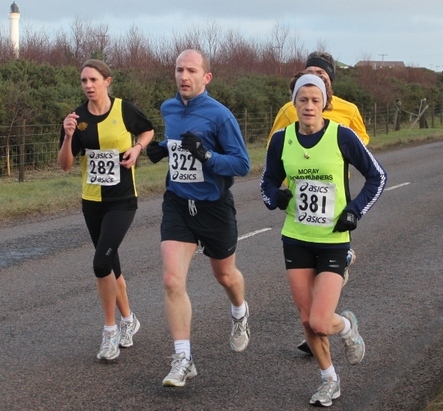
Walk Jog Run is the perfect order to go from couch potato to racer. Let’s first discuss the difference:
Walking is propelling your body forward in a standing position while one foot is always in contact with the surface at all times as you shift the weight from one leg to the other. The general action is to land on your heel and then roll to the front of the foot and then push off with the toe. You can read my article on walking for weight loss.
Jogging is propelling your body forward in a standing position while allowing one leg to come off the ground while you shift the weight from one leg to the other. Many people argue about the difference between jogging and running. I think the difference is in intensity. If you measure intensity by heart rate, jogging is probably done at 70% or less of your maximum heart rate. Jogging is about conserving energy, staying comfortable and lasting a long while. Jogging is something people do when their primary goal is fitness and/or weight loss. Joggers aren’t very interested in how fast they are going.
[hmtad name=”In Content” align=”left”]
Running is very much like jogging, but the intensity is higher. If you measure intensity by heart rate, running is probably done at 70% or more of your maximum heart rate. Although runners are also interested in fitness and body weight, their primary goal is speed and performance. Fitness and lower body weight are more a necessary factor for improved performance than a goal. Note of caution: Don’t call a runner a jogger. You may get a sharp rebut.
How to Make the Transition
I will detail this much more in Start Jogging and Start Running. But know that the key to success is to take your time. Give your body a chance to slowly adapt to the increased stress before you do too much to soon. Meaning, make small advances in intensity and stay at that level for at least three weeks before making another small advance. The general rule of thumb is to only increase distance (or intensity) by about 10% each step time you increase. That’s not a lot. Most running injuries are a result of too much too soon.