
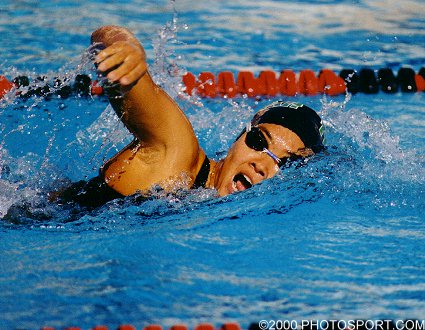
There are many benefits about swimming as one of the activities for exercise. It is easy on the body, yet uses a tremendous amount of muscle. It can also be adapted for all levels of fitness.
Advantages of Swimming for Exercise
Swimming is a full body exercise. The benefits of full-body exercises is that they use more muscle than exercises that are not full body. I.E. Cycling or rowing. When you use more muscle, increase blood flow, you burn more calories, increase metabolism, etc.
The other advantage about swimming is the friction of the water. The reason the friction helps is because it forces you to move slower. See, land activities allow us to move fast. Moving fast is when we tend to get injured. I.E. pull a muscle while sprinting, hurt your shoulder while pitching, etc. The water slows our movements down and decreases the risk of injury.
[hmtad name=”In Content” align=”left”]
Disadvantages of Swimming for Exercise
Most activities has some type of disadvantage, swimming is no exception. Because swimming occurs when our bodies are lying prone or supine (parallel to the floor), it’s very easy to circulate the blood throughout the body. That results in a lower heart rate than standing exercises. That means, once you become adapted to swimming, you have to work a bit harder to gain the same heart rate and benefit as equivalent exercises. But, honestly, this is a very small price to pay for such a great exercise with the other benefits listed.
Adaptability
Swimming can easily be adapted to various fitness levels and conditions. Beginning swimmers can simply swim slower, rest at each lap, switch strokes, etc. Additionally, swimming is very easy on your joints. This is due to the the buoyancy of the water on your body The buoyancy factor means that while standing, your body is being lifted, taking away from some gravity. This is especially helpful for injured or elder exercisers. In those cases, aquatic exercises should be considered.